
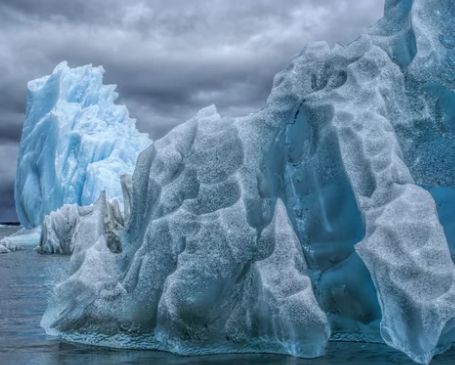
Glaciers are massive, slow-moving rivers of ice that have been around for thousands of years. However, they are shrinking at an alarming rate due to climate change, and the consequences are far-reaching.
Why Glaciers Are Melting
Glaciers are sensitive to temperature changes. As global temperatures rise due to human activities (mainly the burning of fossil fuels), glaciers are exposed to warmer temperatures, causing them to melt faster than they can form.
Key Drivers:
-
Global Warming: Higher temperatures cause more ice to melt.
-
Air Pollution: Soot and dust particles darken glacier surfaces, causing them to absorb more sunlight.
-
Ocean Warming: Rising sea temperatures lead to glaciers melting from beneath.
Consequences of Melting Glaciers
-
Rising Sea Levels: As glaciers melt, the water flows into oceans, causing sea levels to rise. This threatens coastal cities and low-lying areas.
-
Water Shortages: Many rivers rely on glacier-fed streams. As glaciers shrink, water supplies decrease, affecting millions of people.
-
Loss of Habitats: Glacial melt affects wildlife that depends on cold habitats.
What Can Be Done?
Reducing greenhouse gas emissions is crucial to slowing the rate of warming. Investing in clean energy, reducing deforestation, and adopting more sustainable practices can help.