
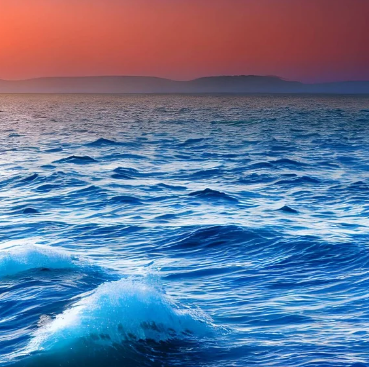
Water is essential to life. It’s not just about drinking—it affects almost every biological and environmental process on Earth.
The Basics of Water
Water is a polar molecule, meaning it has an uneven distribution of charge, which makes it a universal solvent—able to dissolve many substances. This is why water is crucial in biological processes, like nutrient absorption in plants and animals.
Why Water is Important
-
For Drinking: Water is a basic need. The human body is about 60% water, and we need it to stay hydrated, regulate temperature, and support all our body systems.
-
Agriculture: Water is necessary for crops and livestock. It’s the foundation of food production.
-
For Industry: Water is used in manufacturing, power plants, and transportation.
-
Ecosystem Balance: Water supports biodiversity by providing habitats for fish, birds, plants, and other wildlife.
Global Water Crisis
Despite the abundance of water on Earth, only about 1% of the planet’s water is fresh and accessible for human use. Pollution, climate change, and overuse are causing severe water shortages in many parts of the world.
What Can We Do?
Conserving water, reducing pollution, and using water efficiently are critical. Simple actions like fixing leaks, using water-saving devices, and reducing waste can help protect this vital resource.