
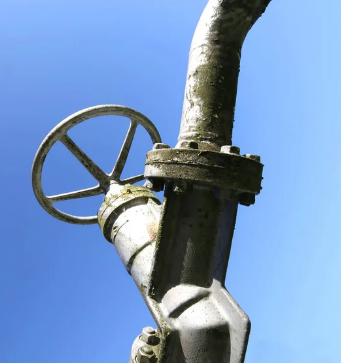
Pneumatic and hydraulic systems are everywhere—from factory machines and car brakes to theme-park rides and construction equipment. Both systems use fluid power to perform work, but the type of fluid differs.
Pneumatic Systems
Pneumatics use compressed air to generate force. Because air is abundant and clean, pneumatic systems are lightweight, fast, and ideal for tasks requiring quick, repetitive motion—like powering robotic arms in manufacturing or controlling valves.
Advantages:
-
Fast response
-
Safe (air is not flammable)
-
Easy to maintain
Limitations:
-
Not suitable for heavy loads
-
Air compressibility can make movement less precise
Hydraulic Systems
Hydraulics use liquids, usually oil, to transmit force. Liquids are nearly incompressible, which means hydraulic systems provide greater precision and handle very heavy loads. You’ll find them in excavators, car lifts, airplane controls, and power steering systems.
Advantages:
-
High power and precision
-
Smooth, controlled movement
-
Ideal for lifting heavy loads
Limitations:
-
Potential for leaks
-
Requires clean, high-quality fluid
Why Fluid Power Matters
Both systems translate small input forces into large output forces. They make industrial automation possible, improve efficiency, and help humans safely perform tasks that would otherwise be dangerous.
